
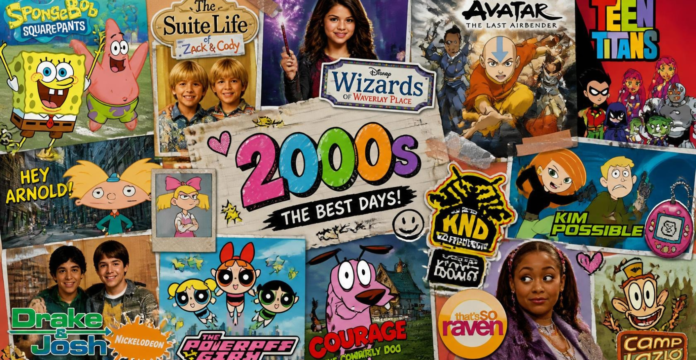
The best 2000s kids shows made television feel like part of growing up. American viewers moved between cartoons, sitcoms, educational programs, and superhero adventures every week. Nickelodeon, Disney Channel, Cartoon Network, and PBS Kids each offered something different.
Some favorites technically premiered during the late 1990s but remained huge during the next decade. SpongeBob SquarePants, Ed, Edd n Eddy, and Arthur are good examples. They belong in this conversation because 2000s audiences watched them constantly.
Kids growing up in America during the 2000s had an unusually varied television lineup. Nickelodeon supplied comedy, Disney mixed animation with sitcoms, and Cartoon Network pushed distinctive cartoons. PBS Kids added educational favorites that became equally nostalgic for younger viewers.
Quick Look at the Shows That Defined the Era
| Show | U.S. Network | Original Debut | Main Style |
|---|---|---|---|
| SpongeBob SquarePants | Nickelodeon | 1999 | Animated comedy |
| Dora the Explorer | Nickelodeon | 2000 | Preschool adventure |
| The Fairly OddParents | Nickelodeon | 2001 | Animated comedy |
| Kim Possible | Disney Channel | 2002 | Action comedy |
| Codename: Kids Next Door | Cartoon Network | 2002 | Animated adventure |
| That’s So Raven | Disney Channel | 2003 | Live-action sitcom |
| Teen Titans | Cartoon Network | 2003 | Superhero animation |
| Drake & Josh | Nickelodeon | 2004 | Live-action sitcom |
| Foster’s Home for Imaginary Friends | Cartoon Network | 2004 | Animated comedy |
| Avatar: The Last Airbender | Nickelodeon | 2005 | Fantasy adventure |
| The Suite Life of Zack & Cody | Disney Channel | 2005 | Live-action sitcom |
| Hannah Montana | Disney Channel | 2006 | Music sitcom |
| iCarly | Nickelodeon | 2007 | Live-action sitcom |
| Phineas and Ferb | Disney Channel | 2007 | Animated comedy |
| Wizards of Waverly Place | Disney Channel | 2007 | Fantasy sitcom |
The table shows why the decade feels broader than one style of children’s television. Animation remained central, but live-action sitcoms became major after-school viewing. Preschool and educational programming also had a strong place in American homes.
Key Takeaways
- Nickelodeon mixed absurd cartoons with character-driven live-action sitcoms.
- Disney Channel increasingly paired animated hits with teen and family comedies.
- Cartoon Network became known for visually distinctive comedy, fantasy, and action.
- PBS Kids remained important for preschool and elementary-age audiences.
- Late-1990s programs stayed culturally important throughout the early 2000s.
- The decade worked because viewers could move between many genres and age groups.
2000s Kids Shows: Nickelodeon Shows That Filled the After-School Hours
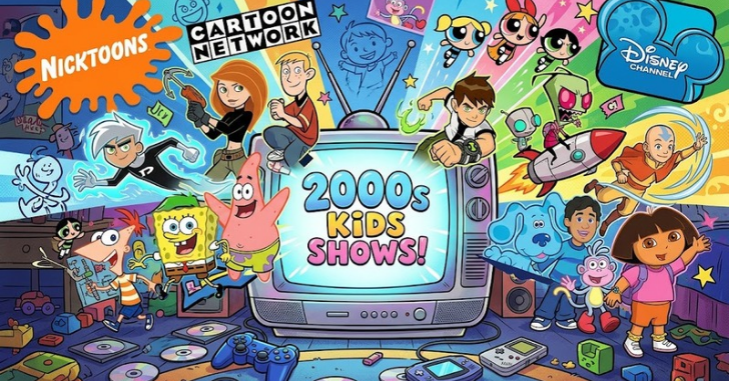
Nickelodeon entered the decade with several recognizable properties already attracting young viewers. It then added new cartoons and sitcoms with strong personalities and memorable premises. That mix helped the network appeal to children across several age groups.
SpongeBob SquarePants became one of the era’s most recognizable animated programs. Its fast jokes and unusual supporting characters made episodes easy to revisit. Although it premiered in 1999, its influence expanded dramatically during the following decade.
Other Nickelodeon favorites included:
- The Fairly OddParents
- Jimmy Neutron
- Danny Phantom
- Avatar: The Last Airbender
- Drake & Josh
- Zoey 101
- Ned’s Declassified School Survival Guide
- iCarly
Avatar offered something different from the network’s faster comedies. The series used continuing storylines, fantasy worldbuilding, and evolving characters across three seasons. That structure helped it stand apart from many episodic cartoons of the period.
Disney Channel Mixed Cartoons, Sitcoms, and Music
2000s Kids Shows Channel’s identity changed noticeably during the decade. Animated programs remained important, while live-action sitcoms became increasingly central to the schedule. Music also became closely connected with several of its biggest stars.
Kim Possible arrived in 2002 with a simple but effective setup. Its teenage hero balanced school problems with international missions and strange villains. The blend made action stories approachable without losing the comedy.
Popular Disney programs from the period included.
- Lizzie McGuire
- Even Stevens
- Kim Possible
- That’s So Raven
- Lilo & Stitch: The Series
- The Suite Life of Zack & Cody
- Hannah Montana
- The Replacements
- Wizards of Waverly Place
- Phineas and Ferb
Hannah Montana captured another important side of the decade. The series combined school life, celebrity fantasy, comedy, and original music. Disney later repeated parts of that formula across other youth-oriented projects.
The era also created young performers whose careers continued beyond children’s programming. NewPape’s Hayden Panettiere early-career profile offers another look at growing up around American entertainment. Her early-2000s film work shows how television and family movies often shared the same young audience.
Cartoon Network Gave the Decade Its Strangest Cartoons
Cartoon Network offered a particularly wide range of visual styles. One program could feature suburban comedy, while the next centered on superheroes or imaginary creatures. That unpredictability helped the channel develop a recognizable identity.
Ed, Edd n Eddy remained a major presence after its 1999 debut. Courage the Cowardly Dog also carried its strange comedy into the early decade. Newer programs then pushed the channel toward action, fantasy, and increasingly unusual character designs.
Memorable Cartoon Network choices included.
- Courage the Cowardly Dog
- Ed, Edd n Eddy
- Samurai Jack
- Codename: Kids Next Door
- Teen Titans
- Foster’s Home for Imaginary Friends
- The Grim Adventures of Billy & Mandy
- Ben 10
- Chowder
- The Marvelous Misadventures of Flapjack
Teen Titans demonstrated how children’s action programming could support emotional storylines alongside superhero battles. Ben 10 later built another action-heavy franchise around transformation and adventure. Both gave viewers alternatives to the network’s comedy-centered programs.
PBS Kids Was a Major Part of 2000s Childhood Too
Nostalgia lists sometimes focus almost entirely on cable channels. That leaves out a major part of the American childhood television experience. PBS Kids offered widely available educational programs throughout the decade.
Dora the Explorer belonged to Nickelodeon, but PBS had its own strong preschool lineup. Arthur continued from the 1990s, while newer programs offered reading, science, and problem-solving themes. Younger viewers often knew these characters as well as any cable cartoon.
Important PBS-era favorites included:
- Arthur
- Dragon Tales
- Between the Lions
- Clifford the Big Red Dog
- Cyberchase
- Maya & Miguel
- Fetch! with Ruff Ruffman
- Curious George
Cyberchase made mathematics part of an adventure format instead of presenting lessons as classroom exercises. Between the Lions centered more directly on reading and language skills. These programs gave educational television a memorable identity beyond preschool basics.
Animated Shows and Live-Action Sitcoms Shared the Decade
One reason the era remains memorable is its balance between animation and live action. Viewers were not limited to one dominant television format. A single afternoon could move from superheroes to school comedy without changing the intended audience.
Animated programs often offered bigger worlds and stranger concepts. Live-action series usually focused on friendships, families, school, and growing independence. Together, those formats covered more parts of childhood than either could manage alone.
That variety also explains why different people remember completely different lineups. Younger viewers may recall Dora, Clifford, or Dragon Tales first. Older children often remember Avatar, Raven Baxter, Drake and Josh, or Zack and Cody.
Readers interested in earlier generations of television can also explore NewPape’s Erin Moran television biography. Its Jan Smithers career profile offers another view of American TV history. Both help place childhood television inside a much longer broadcasting timeline.
Why 2000s Kids Shows Still Trigger So Much Nostalgia
The television experience itself was different from modern on-demand viewing. Children often watched scheduled episodes, reruns, and programming blocks chosen by networks. That created more shared viewing experiences among classmates and friends.
Theme songs also mattered because viewers heard them repeatedly. Characters became familiar through reruns rather than personalized recommendation feeds. Even commercial breaks became part of the remembered rhythm of watching television.
The decade also sat between two media eras. Traditional cable television remained powerful, but DVDs, internet video, and digital entertainment were growing. Children who lived through that transition experienced both scheduled television and the beginnings of on-demand media.
A Nostalgia Map by the Age You Were
Different shows can unlock different memories because age shaped what viewers encountered. Preschool programming could define the early decade for one person. A teen sitcom might define the same period for someone several years older.
| If this was your viewing stage | Shows you may remember most |
|---|---|
| Preschool | Dora the Explorer, Clifford, Dragon Tales, Blue’s Clues |
| Elementary school | SpongeBob, Fairly OddParents, Kim Possible, Kids Next Door |
| Older elementary | Avatar, Teen Titans, That’s So Raven, Drake & Josh |
| Tween years | Hannah Montana, iCarly, The Suite Life, Wizards of Waverly Place |
This age-based view explains why no single definitive list can represent everyone. Birth year, cable access, siblings, and household rules all changed the viewing mix. Regional schedules and reruns could also introduce shows years after their premieres.
For more television and celebrity features, NewPape’s Entertainment section collects its latest coverage. It can also help readers move from nostalgic programs toward the performers behind familiar screen roles. That connection gives older shows a wider cultural context.
Take Another Trip Through Television History
Revisiting childhood television is more than remembering a few theme songs. These programs show how American children’s entertainment changed across animation, sitcoms, fantasy, education, and early digital culture. The variety is what makes the decade worth returning to.
Start with the network you watched most, then explore a category you missed. You may rediscover a forgotten favorite or finally watch a show your friends always discussed. NewPape’s entertainment coverage can keep that trip through television history going.
Frequently Asked Questions
What are the best 2000s kids shows to revisit?
SpongeBob SquarePants, Avatar, Kim Possible, Teen Titans, That’s So Raven, and iCarly are strong starting points. Each represents a different part of the decade’s television mix. Your strongest nostalgic pick will depend on your age and favorite network.
Why are some shows from the late 1990s included?
A premiere date does not always match the period when a generation watched a program. Several late-1990s series remained heavily visible throughout the next decade. Their reruns and continuing episodes made them part of everyday 2000s television.
What Nickelodeon programs defined the decade?
SpongeBob, The Fairly OddParents, Drake & Josh, Avatar, Zoey 101, and iCarly were major examples. They covered animation, fantasy, school comedy, and teen sitcoms. That range explains Nickelodeon’s broad appeal during the period.
Which Disney Channel shows do people remember most?
That’s So Raven, Kim Possible, The Suite Life, Hannah Montana, Wizards of Waverly Place, and Phineas and Ferb remain common favorites. Some centered on school, while others used fantasy or action. Music also became increasingly important to Disney’s live-action programming.
Which Cartoon Network programs stand out?
Teen Titans, Kids Next Door, Foster’s Home, Ben 10, and Samurai Jack remain closely connected with the network’s 2000s identity. Earlier programs like Ed, Edd n Eddy also stayed important. The channel’s strength came from offering dramatically different visual styles.
Where can you watch these shows today?
Streaming availability changes because licensing agreements expire and move between services. Check official network platforms and major U.S. streaming services before subscribing for one title. Digital rental stores may also carry individual seasons unavailable through subscriptions.