Eve Curie
Ève Curie Age, often overshadowed by her illustrious parents, Marie and Pierre Curie, led a remarkable life marked by significant contributions to science, literature, and humanitarian efforts. While her biography offers glimpses into her upbringing and achievements, understanding Ève Curie requires a deeper exploration of her multifaceted talents and enduring legacy.
| Ève Curie Net Worth | At the time of death: Around $10 million |
| Ève Curie Age | 102 years |
| Death | October 22, 2007 |
| Height | Not publicly documented |
| Nationality | French |
| Known For | Biography of Marie Curie, humanitarian work, war correspondent |
| Zodiac Sign | Sagittarius |
| Husband | Henry Labouisse |
| Children | None |
| Famous Quote | “There is no question that a great deal of courage is necessary to undergo the dangers and difficulties of scientific work.” |
| Social Media Accounts | Not applicable (lived before the social media era) |
| Wikipedia | …/wiki/Ève_Curie |
Early Life and Background
Born on December 6, 1904, in Paris, Ève Denise Curie was the youngest daughter of Marie and Pierre Curie, renowned for their pioneering research in radioactivity. Ève’s childhood was shaped by the profound influence of her parents’ work, growing up in a household steeped in scientific inquiry and intellectual pursuits. Despite losing her father at a young age due to a tragic accident, Ève was raised with a strong commitment to academic excellence and humanitarian values, which would define her later endeavors.
Ève Curie — A Life Beyond the Laboratory
Born in Paris on December 6, 1904, Ève Curie chose a path quite different from that of her famous scientist parents. Rather than following in their footsteps, she pursued her passions for music, writing and humanitarianism. As a trained pianist, she performed publicly, and later gained international recognition when she authored a deeply personal and insightful biography of her mother, earning both critical acclaim and widespread readership. Over time, her work expanded to journalism, war reportage, and public advocacy — reflecting a career guided by empathy, cultural engagement, and a commitment to documenting human stories. Through her varied artistic and literary pursuits, Ève emerged as a distinctive voice of her generation, proving that legacy isn’t only inherited, but also reimagined.
Ève Curie Age, Height, and Personality
Ève Curie, born on December 6, 1904, exuded a timeless elegance that transcended her era. She lived 102 years before she died in 2007. Standing at an average height of 1.78m, she was anything but ordinary. Ève’s stature was more about her commanding aura and the grace she navigated diverse spheres of influence. Her vibrant personality sparkled in every room she entered, captivating audiences with her articulate speech and profound insights. Known for her unwavering determination and intellectual curiosity, Ève balanced her scientific heritage with a creative spirit, making her a true Renaissance woman. Her engaging demeanor, combined with a natural charm, made her both approachable and inspiring.
Whether penning her famous biography, “Madame Curie,” or engaging in humanitarian efforts, Ève’s personality shone through, marked by resilience, compassion, and a relentless pursuit of excellence. Her age only added to her wisdom and depth, enriching her contributions to science, literature, and global advocacy. Ève Curie’s life, from her physical presence to her dynamic personality, remains a testament to the enduring power of grace, intellect, and charisma. Her legacy continues to inspire, reminding us that true impact comes from a combination of inner strength and outward charm.
Ève Curie’s Achievements in Science
Ève Curie inherited her parents’ passion for science and pursued her research interests. While not as widely recognized as her parents’ groundbreaking discoveries, Ève made significant contributions to radiology and nuclear physics. Her studies focused on understanding the applications of radioactive isotopes in medical diagnostics and treatment, laying the groundwork for advancements in cancer therapy and imaging technologies.
One of her notable works is her research on the biological effects of radiation exposure, in which she demonstrated a keen understanding of the complexities involved in harnessing radioactive elements for beneficial purposes while mitigating potential risks to human health.
Literary Contributions and Career
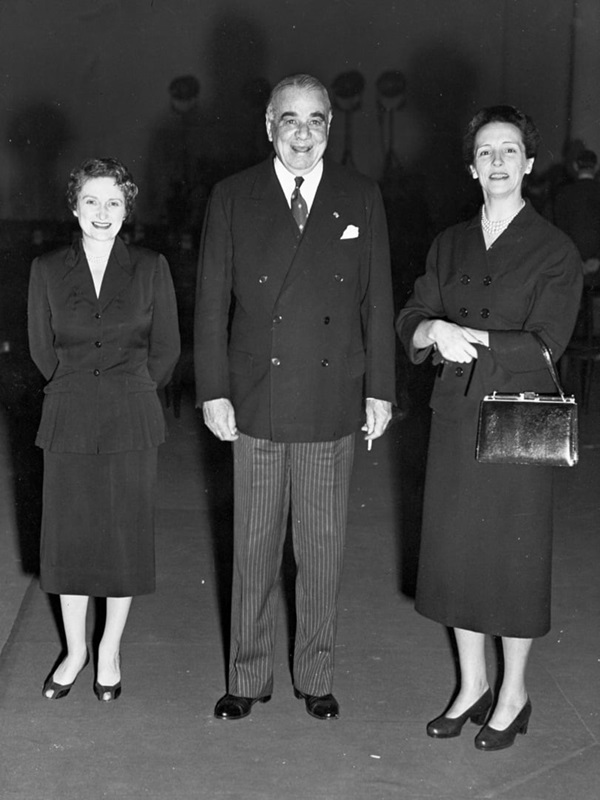
Beyond her scientific pursuits, Ève Curie distinguished herself as a talented writer and biographer. Her literary career flourished with the publication of her acclaimed biography “Madame Curie,” a poignant tribute to her mother’s life and scientific achievements. The biography showcased Ève’s literary prowess and offered a nuanced portrayal of Marie Curie’s personal and professional journey, ensuring her mother’s legacy endured beyond scientific circles.
In addition to “Madame Curie,” Ève authored several novels and essays that explored themes of identity, resilience, and the human condition. Her literary works reflected her deep introspection and empathy, resonating with readers across generations and cementing her reputation as a formidable writer in her own right.
A Few Interesting Facts About Ève Curie’s Life
- Musical Talent: Before delving into writing and science, Ève Curie was a talented concert pianist, showcasing her artistic skills on an international stage.
- Biographical Success: Her biography “Madame Curie” honored her mother and became an international bestseller, translated into multiple languages.
- War Correspondent: During World War II, Ève worked as a war correspondent, bravely reporting from the front lines and sharing the realities of war with the world.
- Nobel Prize Connection: While Ève herself never won a Nobel Prize, her biography of her mother contributed to the public understanding of Marie Curie’s groundbreaking work, indirectly supporting the Nobel legacy.
- Humanitarian Work: Ève’s marriage to Henry Labouisse, the executive director of UNICEF, saw her actively involved in global humanitarian efforts, mainly focusing on child welfare and education.
- Polyglot: Fluent in several languages, Ève’s cosmopolitan lifestyle and extensive travels allowed her to engage deeply with diverse cultures and communities.
- Advocate for Women: Through her writings and public engagements, Ève championed the role of women in science and society, advocating for gender equality and recognition of women’s contributions.
- Inspirational Speaker: Ève was a sought-after speaker, sharing her insights on science, literature, and humanitarian issues at conferences and universities worldwide.
- Literary Legacy: In addition to her biography of her mother, Ève authored several essays and articles that explored themes of resilience, identity, and the human condition.
- Global Impact: Ève’s work with UNICEF and her advocacy for education and healthcare impacted global policies, particularly in developing countries.
Conclusion
Ève Curie’s life and contributions transcend the confines of a traditional biography, encompassing a rich tapestry of scientific inquiry, literary excellence, and humanitarian leadership. By delving beyond the surface of her achievements, we uncover a woman of profound intellect, empathy, and courage whose impact resonates far beyond her era. Through her pioneering research, compelling narratives, and unwavering advocacy, Ève Curie leaves an indelible imprint on history, inspiring future generations to pursue knowledge, embrace creativity, and champion social justice.
Curious to read an amazing article on Jordan Belfort’s Net worth, then explore our “Entertainment” category.
Frequently Asked Questions (FAQs)
Ève Curie made significant strides in radiology, particularly in understanding the applications of radioactive isotopes in medicine.
She authored the acclaimed biography “Madame Curie” and several novels that explored themes of identity and resilience.
She was involved in the French Resistance, aiding refugees and supporting resistance efforts against Nazi occupation.
Ève Curie is remembered for her contributions to science, literature, and humanitarian causes, embodying principles of courage, compassion, and intellectual curiosity.
She is best known for writing a widely acclaimed biography of her mother, Marie Curie, which brought international recognition to her as an author.