

Introduction
Gas vs electric lawn mower is a popular comparison for homeowners deciding on the best lawn care solution. The debate over gas vs electric lawn mowers often focuses on power, maintenance, cost, and environmental impact. Gas mowers offer powerful engines, typically 140cc to 190cc, making them great for large lawns. On the other hand, electric lawnmowers are more eco-friendly, quieter, and require less maintenance.
This article will explore the key differences in performance, fuel source, and user experience to help you choose between a gas vs electric lawn mower.
Comparing Gas vs. Electric Lawn Mowers: Key Performance Differences
When evaluating gas vs. electric lawn mowers, one of the most noticeable differences lies in their performance characteristics and user experience. Gas mowers have traditionally been prized for their higher cutting power and extended runtime, making them well-suited for larger yards or thick, tough grass, while electric mowers — whether corded or battery-powered — are valued for their quieter operation, lighter weight, and lower maintenance requirements. Electric models eliminate the need for fuel mixing and engine tune-ups, and they typically start easily with the push of a button, which appeals to homeowners seeking convenience and simplicity. In contrast, gas mowers deliver robust performance that many landscapers and owners of expansive properties still prefer. Understanding these inherent differences helps homeowners choose a mower that best matches their yard size, noise tolerance, and maintenance preferences.
Power and Performance
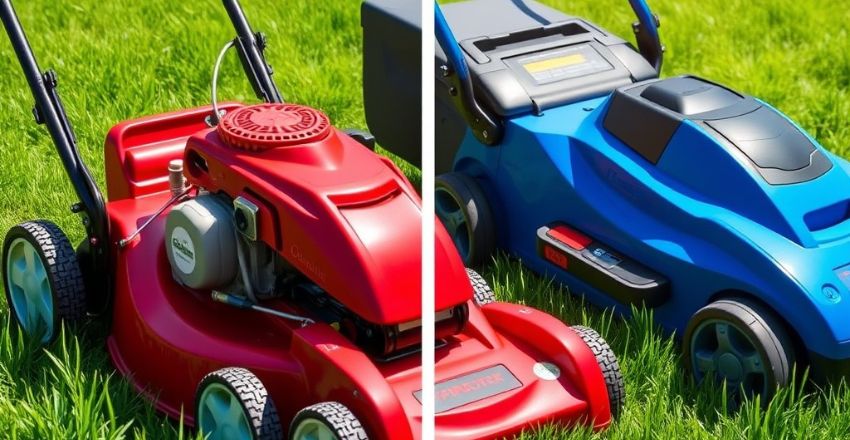
The key difference lies in power when comparing gas vs. electric lawn mower. Gas mowers offer more horsepower, typically 140cc to 190cc engines, making them ideal for larger lawns with thick or uneven grass. They provide uninterrupted power, making them suitable for tough tasks. In contrast, electric lawnmowers have motors ranging from 12 amps (corded) to 36V-80V (battery-powered).
Fuel and Energy Source
The energy source is a major factor in the gas vs electric lawn mower debate. Gas mowers run on gasoline, offering unlimited runtime as long as fuel is in the tank. However, they require periodic refueling. On the other hand, electric mowers require a cord or rechargeable batteries. Corded models offer continuous power, while battery-powered mowers typically last 30-60 minutes before recharging.
Noise Level
One of the key differences in the gas vs electric lawn mower comparison is noise. Gas mowers are much louder, producing noise levels above 90 decibels, which can disturb your neighbors, especially in residential areas. On the other hand, electric mowers are significantly quieter, typically operating at 60-70 decibels.
Environmental Impact
Environmental impact plays a crucial role in the gas vs. electric lawn mower comparison. Gas mowers emit harmful pollutants such as carbon dioxide (CO2) and other gases, contributing to air pollution and climate change. Electric mowers are more eco-friendly, producing zero emissions during operation. Choosing an electric lawn mower helps reduce your carbon footprint and makes it an environmentally-conscious option.
Maintenance Requirements
Maintenance is an important consideration in the gas vs electric lawn mower debate. Gas mowers require frequent upkeep, including oil changes, spark plug replacements, and maintenance of fuel systems. Neglecting these tasks can lead to engine problems. Electric mowers require less maintenance, with the primary care focusing on battery management.
Weight and Maneuverability
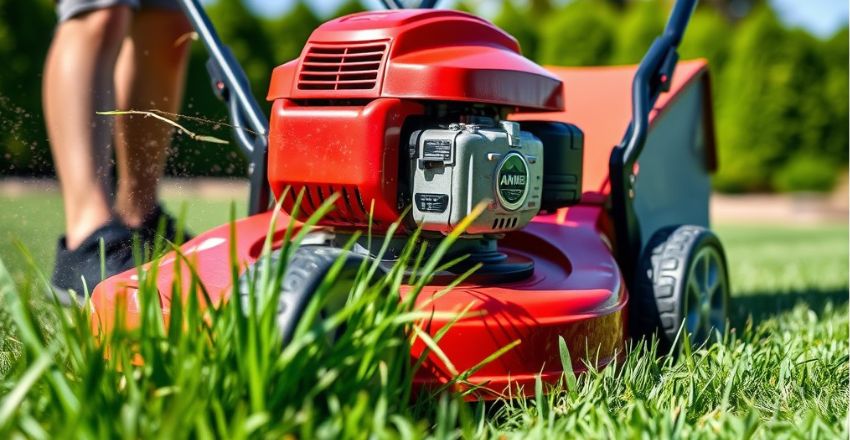
Weight and maneuverability are also important when comparing gas vs. electric lawnmowers. Gas mowers tend to be heavier due to their engine and fuel tank, making them more difficult to push and maneuver, especially in tight spaces or hilly terrain. Electric mowers are generally lighter, especially the battery-powered models.
Cost Considerations
In the gas and electric lawn mower cost comparison, gas mowers are typically more expensive, ranging from $200 to $600. They also incur ongoing costs for fuel and maintenance. Electric mowers tend to have a lower upfront cost, ranging from $100 to $500, and their operational costs are much lower since they don’t require fuel or frequent maintenance.
Storage and Portability
Regarding storage and portability, gas or electric lawn mower models differ. Gas mowers are bulkier and require more storage space due to their engine and fuel tanks. Their size and weight make them harder to transport. Electric mowers, especially battery-powered ones, are more compact, lighter, and easier to store.
Durability and Longevity
Regarding durability and longevity in the gas or electric lawn mower debate, gas mowers are known for their long lifespan, often lasting 10 years or more with proper maintenance. Electric mowers, however, typically last 5-7 years. Their batteries may need replacement after 3-5 years, but the overall longevity of electric mowers is still impressive.
Safety Features
- Safety is an important factor in the gas or electric lawn mower comparison.
- Both types have built-in safety features such as blade brakes and automatic shut-offs to prevent accidents.
- Gas mowers typically have more complex safety mechanisms due to their engine power.
- Electric mowers have simpler yet effective safety features, including blade stops and easy-to-access power switches.
- Both mower types are designed with user safety in mind.
User Experience
The gas vs electric lawn mower user experience varies in terms of operation. Gas mowers require a pull cord to start, which can be challenging for some users, and they tend to vibrate more, causing discomfort during use. Electric mowers are easier to start with a push-button mechanism and provide smoother operation with less vibration, offering a more comfortable and enjoyable mowing experience.
Suitability for Lawn Size
Consider your lawn’s size when deciding between a gas vs. electric lawn mower. Gas mowers are perfect for larger lawns (over 1/2 acre) where power, longer runtime, and the ability to handle thick grass are essential. Electric mowers, on the other hand, are better suited for smaller to medium lawns (up to 1/4 acre). They offer sufficient power for routine tasks and can handle most small yards.
Conclusion
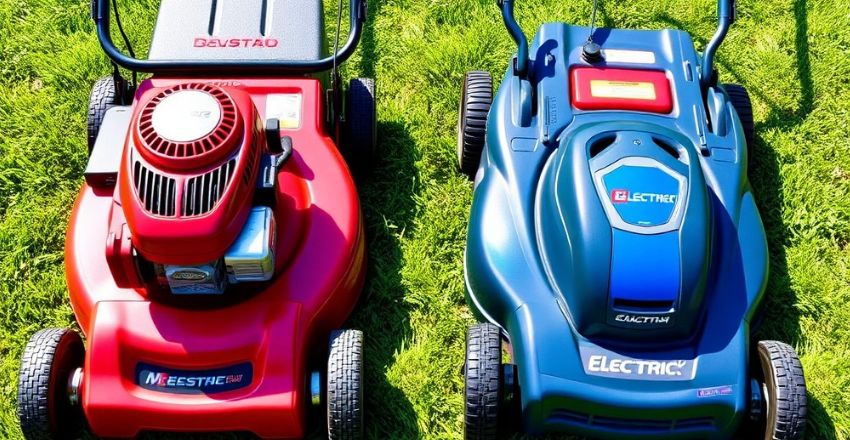
In conclusion, the gas vs electric lawn mower decision depends on your specific needs. Gas mowers offer power and are better for large lawns, while electric mowers are quieter, easier to maintain, and more eco-friendly. Consider factors like lawn size, budget, and environmental impact when choosing the best option between a gas vs electric lawn mower for your lawn care.
Apart from that if you want to know about “Drain Cleaning for a Healthy and Efficient Plumbing System” then please visit our “Home Improvement” Category.
FAQs
The main difference is that gas mowers are more powerful and better for large lawns, while electric mowers are quieter, more eco-friendly, and require less maintenance.
Yes, gas mowers typically cost more upfront and require ongoing fuel and maintenance costs compared to electric mowers.
An electric mower is better for small lawns as it is easier to handle, quieter, and requires less maintenance.
Electric lawn mowers are powerful enough for small to medium-sized lawns and regular maintenance, though very thick or overgrown grass may favor gas models.
The better option depends on lawn size and user preference; gas mowers offer more power for large or thick lawns, while electric mowers provide quieter operation and easier maintenance.