Introduction
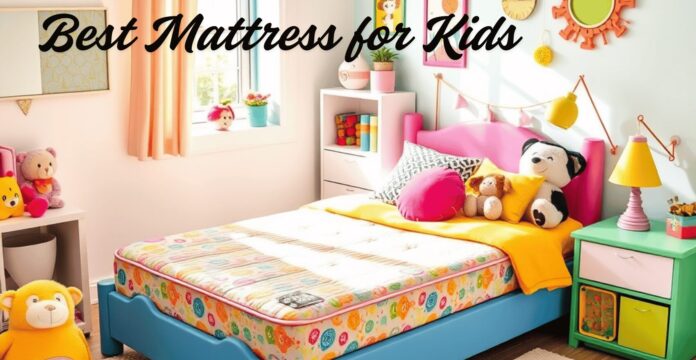
Choosing the best mattress for kids is a crucial decision that can significantly impact their overall health and well-being. Kids spend a substantial portion of their early years sleeping, which is why comfort, support, and safety should top your priority list. An ideal mattress will support spinal alignment, encourage deep sleep, and be durable enough to keep up with a growing child’s changing needs.
Factors like firmness level, hypoallergenic materials, breathability, and certified safety standards all play an essential role in selecting a high-quality mattress. Whether you’re shopping for a toddler, a growing tween, or a teenager, investing in the right mattress can help ensure restful nights and energized mornings.
Additionally, breathable fabrics and cooling technologies ensure your child sleeps comfortably through the night. Whether it’s for a toddler or a teen, investing in a quality mattress helps build strong sleep habits, supports development, and sets the foundation for energetic, happy days.
| Section | Key Points |
| Introduction | Focus on comfort, support, safety, and spinal alignment for kids. |
| Best Mattress for Kids | Medium-firm to firm, hypoallergenic, breathable, and safety-certified. |
| Why to Choice | Affects spinal alignment, bone/muscle growth, posture, and sleep quality. |
| Ideal Size | Firmness, breathability, hypoallergenic materials, certifications, and washability. |
| Types of Mattresses | Firmness, breathability, hypoallergenic materials, certifications, and washability. |
| Important Features | Test mattresses, read reviews, verify certifications, and check trials. |
| Top Brands | Saatva Youth, Nectar Kids, Naturepedic, Helix, Tuft & Needle. |
| Budget Considerations | $100 to $500+, higher-end for better materials and certifications. |
| When to Replace | Replace when sagging, outgrown, accidents, or every 7–8 years. |
| Shopping Tips | Test mattresses, read reviews, verify certifications, check trials. |
| Maintenance Tips | Use protectors, rotate, vacuum, and spot clean. |
Best Mattress for Kids
When it comes to choosing the best mattress for kids, comfort, safety, and durability should be the top priorities. A high-quality kids’ mattress should provide proper spinal support to promote healthy growth and posture. Typically, a medium-firm to firm mattress is recommended for children, as it helps in maintaining alignment and reduces the risk of discomfort during sleep.
Materials also play a crucial role—hypoallergenic options such as organic cotton, natural latex, or CertiPUR-US® certified foam are ideal for sensitive skin and allergy-prone kids. Breathability is another vital factor; mattresses with cooling technologies or breathable covers help regulate body temperature and prevent night sweats.
Additionally, features like removable and washable covers make it easier for parents to maintain hygiene, especially for younger children who might have nighttime accidents. Finally, always consider safety certifications, trial periods, warranties, and customer reviews to ensure you’re investing in a reliable, long-lasting mattress that supports your child’s health and growing needs.
Why Mattress Choice Matters for Kids
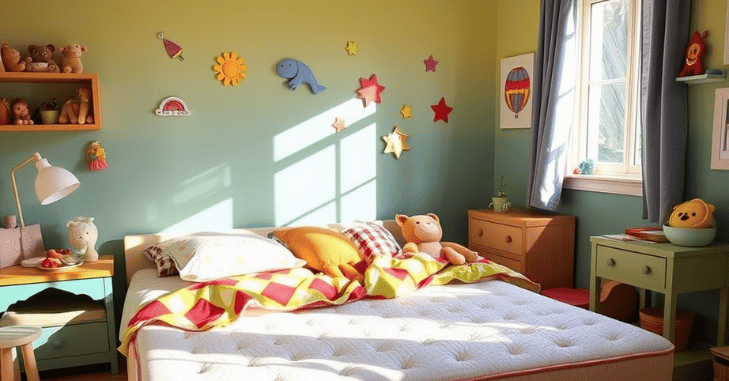
Children are constantly growing, and a poor-quality mattress can negatively impact
- Spinal alignment
- Bone and muscle development
- Posture
- Sleep quality
Ideal Mattress Size for Kids
Choosing the right mattress size depends on your child’s age, room space, and how long you plan to use it.
| Age Range | Recommended Mattress Size |
| Toddlers (2–4) | Crib mattress or toddler bed |
| Kids (4–8) | Twin size (38” x 75”) |
| Tweens (9–12) | Twin XL or Full (54” x 75”) |
| Teens (13+) | Full or Queen (60” x 80”) |
Types of Mattresses for Kids
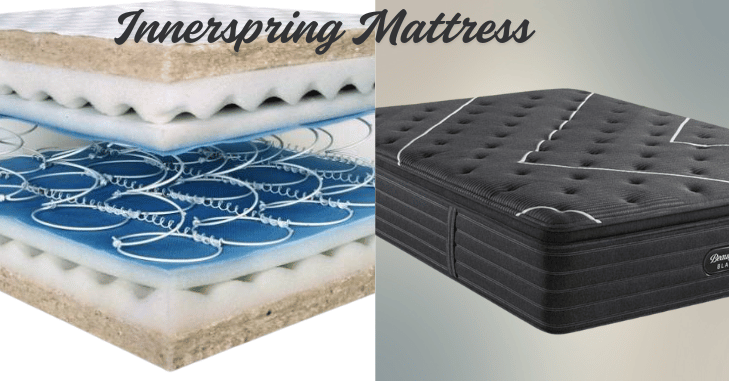
Innerspring Mattress
- Coil-based support system
- Offers good support and breathability
- Durable but may be noisy and less contouring
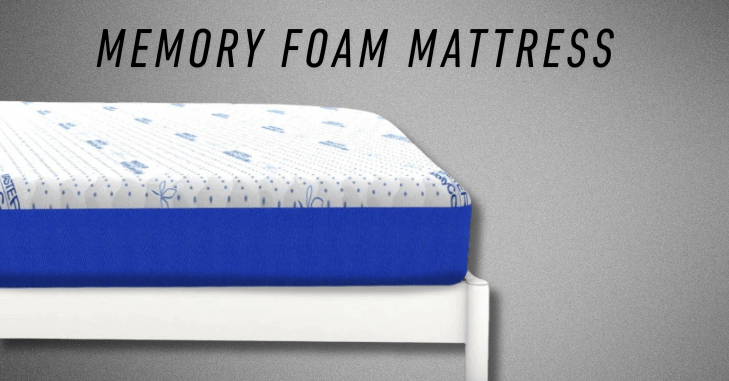
Memory Foam Mattress
- Made of high-density foam layers
- Provides pressure relief and comfort
- Can retain heat unless infused with gel
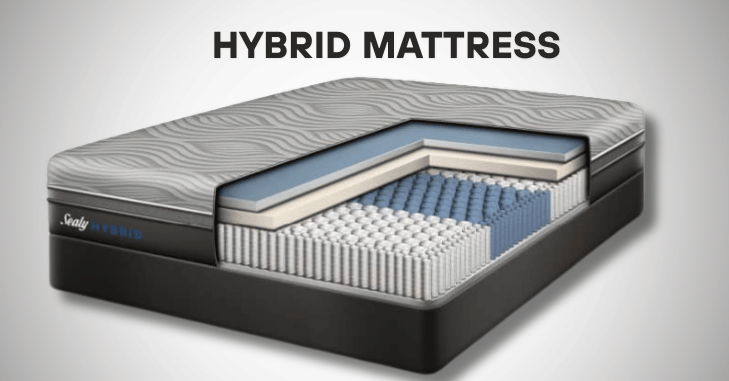
Hybrid Mattress
- Combines innerspring coils with memory or latex foam
- Offers a balance of support and softness
- Tends to be more expensive
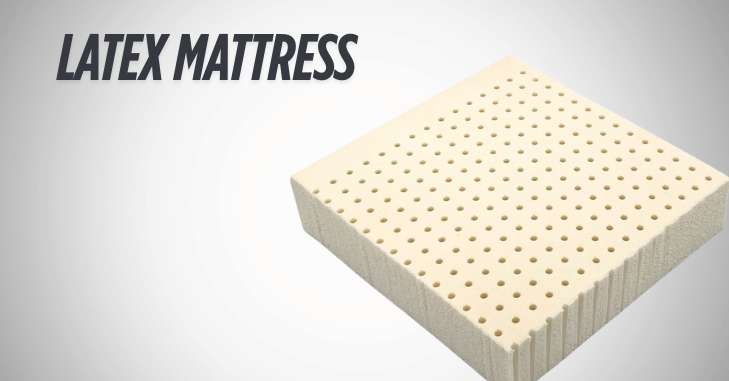
Latex Mattress
- Made from natural or synthetic latex
- Hypoallergenic, breathable, and durable
- Generally more expensive and heavier
Important Features to Look For
| Feature | Details |
| Firmness Level | Medium-firm to firm for healthy spine alignment |
| Breathability | Use breathable materials and cooling tech to avoid night sweats |
| Hypoallergenic Materials | Prefer organic cotton or latex for allergy-prone children |
| Certifications | Look for CertiPUR-US®, OEKO-TEX®, GREENGUARD Gold |
| Washable Covers | Removable and washable covers for easy cleaning and hygiene |
Top Mattress Brands for Kids
Saatva Youth Mattress
- Dual-sided for ages 3–12
- Water-resistant organic cotton cover
- Durable and flippable design
Nectar Kids Mattress
- Gel-infused memory foam
- CertiPUR-US® certified
- Affordable and great for hot sleepers
Naturepedic 2-in-1 Organic Kids Mattress
- Organic cotton and latex
- Waterproof side for toddlers
- Excellent for eco-conscious families
Helix Kids Mattress
- Flippable design with different firmness levels
- Hybrid construction for added support
- GREENGUARD Gold certified
Tuft & Needle Original (Twin Size)
- Adaptive foam for all sleep positions
- Affordable and durable
- CertiPUR-US® certified
Budget Considerations
When shopping for a kid’s mattress, understanding the price range and corresponding quality expectations is essential. In the $100–$250 bracket, you’ll typically find basic foam or innerspring mattresses that may serve well for short-term use or for toddlers transitioning from a crib. These options offer fundamental support but may lack advanced comfort features or durability.
Moving up to the $250–$500 range, you can expect enhanced comfort and support, often with better materials, improved breathability, and added features like motion isolation or hypoallergenic covers. These mattresses are generally suitable for long-term use as your child grows. At the $500+ level, you’re looking at premium options crafted with high-quality, long-lasting materials such as natural latex, organic cotton, or hybrid constructions.
These mattresses offer excellent durability, full-body support, and advanced certifications ensuring safety and health standards. Regardless of budget, it’s always wise to check for trial periods, warranties, and return policies to ensure your investment is protected and your child sleeps soundly.
When to Replace a Kid’s Mattress
Replace your child’s mattress when:
- It sags or feels uncomfortable
- Your child outgrows it
- After nighttime accidents or spills
- Every 7–8 years for hygiene and support reasons
Mattress Shopping Tips
When choosing a mattress for your child, it’s ideal to let them test it out if possible to ensure comfort. Always read product reviews and verify certifications to confirm the mattress meets safety and quality standards. Opt for brands that offer sleep trials ranging from 90 to 365 nights, giving you peace of mind and the flexibility to return if it doesn’t suit your child. Most importantly, avoid buying used mattresses, as they may carry allergens, lack support, or fail to meet current health and safety guidelines.
Mattress Maintenance Tips
- Use a waterproof mattress protector
- Rotate the mattress every few months
- Vacuum and air it regularly to prevent dust and odors
- Spot clean when necessary
Conclusion
Finding the best mattress for kids involves more than just picking the right size or price. It’s about ensuring healthy development, long-lasting comfort, and safe sleep. From hypoallergenic materials and breathable designs to durable constructions and trusted certifications, every element matters in creating the ideal sleep environment.
Read More: – Types of Door Knobs
Whether you’re investing in a premium model or a budget-friendly option, prioritize support, cleanliness, and comfort. Always consider trial periods and warranty options for added peace of mind. Ultimately, the right mattress can make a world of difference in your child’s growth, mood, and daily energy—making it a decision well worth your attention.
Apart from that, if you are interested to know about “Outdoor Bed Swings: The Ultimate Guide to Comfort and Style, Maintenance Tips, Best Locations for Your Outdoor Bed Swing” then visit our “Home Improvement” category.
FAQs
A mattress that is flippable or two-sided is ideal for expanding with children and might offer the most value for your money.
The ideal hardness for children is typically medium-firm, especially if they move around a lot and need support for all of their pressure points.
Resources: Materials that are hypoallergenic and non-toxic are crucial for creating a secure resting environment.
Mattresses made of memory foam are renowned for their ability to conform to the curve of your body and offer individualized support.