
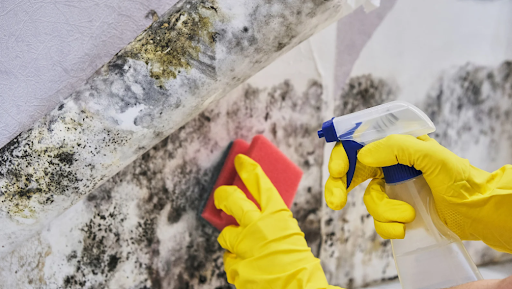
Mold doesn’t take a break when temperatures drop. In fact, winter can make mold problems worse due to increased indoor humidity and poor ventilation. When homes are sealed to retain heat, moisture becomes trapped inside, creating ideal conditions for mold to thrive. This hidden threat can quickly spread through walls, ceilings, and HVAC systems, compromising air quality and property safety.
Professional services for mold remediation in Stone Mountain, GA, are essential during colder months because they address not just visible growth but also the underlying moisture issues that feed it.
Why Mold Persists in the Winter Months
Cold weather creates an illusion of dryness, but indoor conditions tell a different story. When warm indoor air meets cold surfaces like windows, pipes, or exterior walls, condensation forms, providing the perfect breeding ground for mold spores. Inadequate insulation, clogged gutters, and minor leaks often worsen during the winter, introducing additional moisture into the home.
Even everyday habits, like using humidifiers or drying clothes indoors, can raise humidity levels enough to trigger mold growth. The result is a slow, silent infestation that spreads behind drywall, under carpets, and inside ductwork before being detected.
Understanding the Difference Between Mold Remediation and Mold Removal
Addressing winter mold requires more than superficial cleaning; it demands expertise. The difference between mold remediation and mold removal lies in the process and precision. Mold removal simply targets visible mold, whereas remediation identifies, contains, and eliminates mold at its source while restoring healthy air quality. Remediation also involves preventing recurrence by correcting moisture imbalances, something crucial during the winter season.
Certified technicians inspect insulation, monitor humidity, and repair water intrusion points to ensure a permanent solution. They utilize advanced containment systems, HEPA filtration, and moisture control measures to stabilize the environment and stop mold from returning.
This approach ensures that the treatment is not just reactive but preventative, addressing structural vulnerabilities and air circulation issues that winter conditions amplify.
How Professionals Handle Winter Mold Effectively
Mold specialists approach cold-weather infestations with a blend of science and strategy. They assess condensation-prone areas like basements, attics, and crawlspaces, zones where cold surfaces meet warm air. Industrial-grade dehumidifiers and negative air pressure systems are deployed to dry out and cleanse affected spaces. Technicians also focus on improving airflow and insulation to maintain consistent temperatures throughout the property.
Professionals understand that improper heating or poor insulation can trap moisture pockets inside walls, allowing hidden colonies to flourish. Their detailed remediation plans correct these issues permanently, protecting both property integrity and occupant health.
Conclusion
Winter mold is deceptive; it thrives quietly while your home stays sealed and warm. The cold season creates conditions that allow moisture to linger and mold to spread unnoticed. Recognizing this risk and acting proactively through professional remediation is vital. Experts not only eradicate visible mold but also restore the indoor environment to a stable, dry state.
By understanding the deeper connection between mold and moisture, and knowing the true difference between mold remediation and mold removal, homeowners can safeguard their property year-round. Winter may bring cold air, but it should never bring hidden mold. Our related guide, Understanding the Necessity of a Roof Replacement When Storms Strike, goes further into this.