
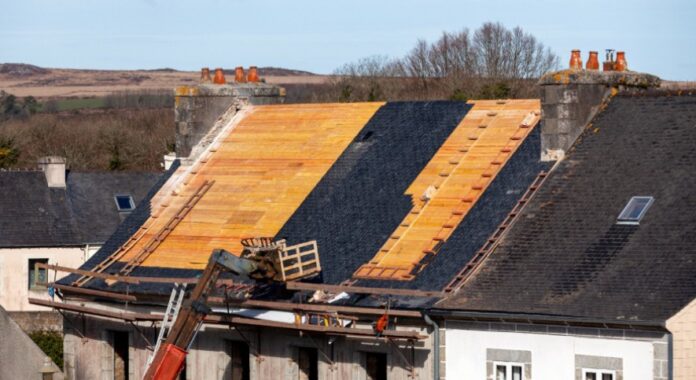
Storm damage isn’t always obvious at first glance, but what starts as a few missing shingles or minor leaks can quickly escalate into structural compromises if left unaddressed. After a major weather event, roof replacement often becomes a critical step in protecting the long-term integrity of a home. For those seeking a qualified and responsive solution, working with a reputable roofing contractor in Johns Creek ensures that storm-related damage is assessed professionally and resolved with long-term protection in mind. Reacting promptly after a storm isn’t about appearance; it’s about safeguarding what’s underneath.
Why Post-Storm Roof Replacement Is Often Necessary
Storms place a roof under extreme stress. High winds, hail, and heavy rainfall can lift shingles, compromise flashing, dent metal panels, and cause water intrusion. Even if the damage isn’t visible from ground level, underlying layers of the roofing system, such as the underlayment or decking, may already be deteriorating. Over time, this moisture penetration leads to rot, mold, and insulation breakdown. For a closer look at this, see Urgency of Prompt Roof Leak Repair.
In some cases, repairs may be sufficient. However, when a significant portion of the roofing system is compromised, replacement is the only solution that ensures structural soundness and prevents recurring issues. Delaying the process often results in higher repair costs, interior damage, and reduced property value.
Read More: How Timely Heat Pump Repairs Keep Your Home Cozy Throughout the Winter
Insurance and Timing Considerations
Most homeowner insurance policies cover storm-related roof damage, but there’s a narrow window in which claims must be filed.
Professional contractors not only assist in damage assessments but also document conditions with the precision needed for insurance approval. Quick inspections after a storm can mean the difference between a fully covered replacement and an out-of-pocket expense.
Beyond the paperwork, timing matters. The longer the damage sits untreated, the more vulnerable the property becomes to secondary issues such as ceiling leaks, electrical faults, or even compromised attic ventilation. Replacing a damaged roof early minimizes these risks and restores the home’s resilience quickly.
The Role of Certified Roofing Professionals
Not all contractors are equally equipped to handle storm-related roof replacement. Hiring a professional who understands both structural requirements and manufacturer specifications ensures the new roof performs to its maximum potential. Many homeowners aren’t aware of the added benefits that come with selecting a GAF-certified roofing contractor, including extended warranties, higher installation standards, and stricter material quality assurance.
Working with certified professionals also streamlines the replacement process. From coordinating inspections to managing timelines and safety standards, their operational discipline reduces disruption and guarantees code-compliant results.
Long-Term Value of Timely Replacement
Replacing a storm-damaged roof isn’t just a reactive move; it’s a proactive investment. A new roof increases energy efficiency, enhances curb appeal, and can significantly raise resale value. Modern roofing systems are designed to better withstand future weather events, often resulting in lower insurance premiums and fewer maintenance issues down the road.
More importantly, roof replacement restores peace of mind. After a storm, homeowners deserve to know their property is secure, dry, and protected against the elements. A properly installed, storm-resistant roofing system delivers exactly that.
Conclusion
Storms may strike without warning, but how homeowners respond makes all the difference. Replacing a roof after major weather damage is not an optional upgrade; it’s often a necessary action to protect structural integrity, preserve home value, and avoid cascading problems. With the right expertise and timing, a storm-damaged roof can be transformed into a stronger, more resilient shield for years to come.
Addressing the issue early also prevents secondary complications like mold, insulation damage, or energy inefficiency from developing unnoticed. A proactive replacement approach not only secures your property but also eliminates future uncertainty, offering both financial and structural peace of mind.