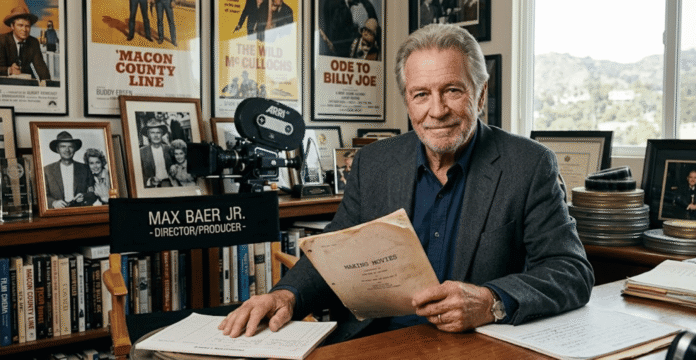
Max Baer Jr. is best remembered as Jethro Bodine from The Beverly Hillbillies. Yet his career extended far beyond the lovable television character. He later became a writer, producer, director, and businessman with several notable film projects.
Born December 4, 1937, Baer is 88 years old as of September 2026. He is also the last surviving main cast member of The Beverly Hillbillies. His life after the sitcom reveals a more complex career than his famous role suggests.
Quick answer: Baer is an American actor, filmmaker, and businessman born in Oakland, California, in 1937. He became famous as Jethro Bodine on The Beverly Hillbillies. After the series ended, he moved behind the camera and produced successful films, including Macon County Line and Ode to Billy Joe.
Key Facts at a Glance
| Fact | Details |
|---|---|
| Full name | Maximilian Adelbert Baer Jr. |
| Born | December 4, 1937 |
| Age in September 2026 | 88 |
| Birthplace | Oakland, California |
| Nationality | American |
| Best-known role | Jethro Bodine |
| Famous television series | The Beverly Hillbillies |
| Series run | 1962–1971 |
| Main professions | Actor, writer, producer, director |
| Father | Heavyweight boxing champion Max Baer Sr. |
| Notable film | Macon County Line |
| Notable directing work | Ode to Billy Joe |
| Children | No publicly documented children |
Key Takeaways
* Baer became nationally famous as Jethro Bodine during the 1960s.
* He was born into a prominent American boxing family.
* Typecasting made acting opportunities difficult after his sitcom success.
* He responded by moving into writing, producing, and directing.
* Macon County Line became a major low-budget commercial success.
* He later directed and produced Ode to Billy Joe.
* He remains closely associated with Jethro decades after the series ended.
* As of 2026, he is the surviving main cast member of The Beverly Hillbillies.
Who Is Max Baer Jr.?
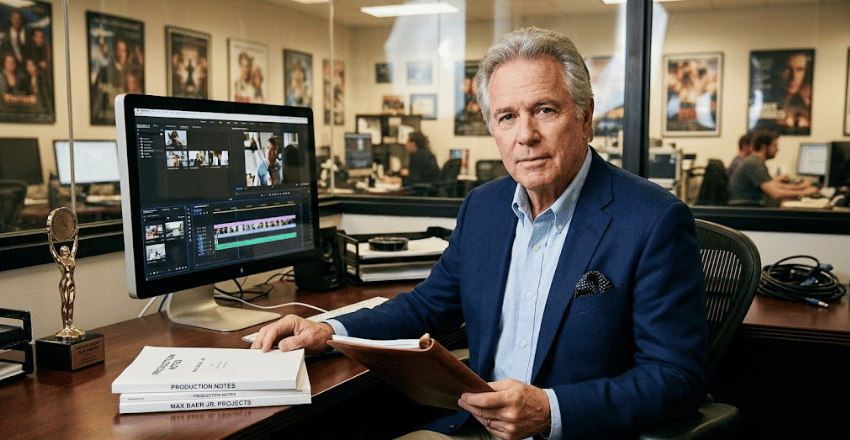
Baer is an American entertainer whose public identity remains tied to classic television. His portrayal of Jethro introduced him to millions of American households. The character became one of the most recognizable figures from 1960s television comedy.
His career did not end when the sitcom left television in 1971. Instead, he increasingly focused on developing and producing movies. That shift showed business instincts that viewers rarely associated with his deliberately foolish television character.
Later, he wrote, produced, acted, and directed. Those projects allowed him to control his career more directly. They also demonstrated that his abilities stretched well beyond playing Jethro.
Early Life and a Famous Boxing Family
Baer was born in Oakland, California, on December 4, 1937. His father was Max Baer Sr., a celebrated professional heavyweight boxer. The elder Baer held the world heavyweight championship during the 1930s.
Athletics also played an important role in his son’s early years. The future actor participated in several sports while attending school in California. Golf became one of his strongest interests and stayed with him for decades.
He later attended Santa Clara University. His education and interests did not point toward becoming a television hillbilly. Hollywood, however, soon provided opportunities that changed his professional direction.
Becoming Jethro Bodine on The Beverly Hillbillies
The Beverly Hillbillies premiered on CBS in 1962. The comedy followed the Clampett family after newfound oil wealth brought them to Beverly Hills. Its clash between rural customs and wealthy California society created the show’s central comedy.
Baer played Jethro Bodine, a physically imposing but comically unsophisticated Clampett relative. His exaggerated confidence and limited understanding became recurring sources of humor. The performance quickly became central to the show’s identity.
The series ran for nine seasons before ending in 1971. Its long run made the cast familiar across the United States. Syndication later introduced Jethro and the Clampetts to generations who never watched the original broadcasts, much as reruns kept fellow sitcom veterans like Jan Smithers of WKRP in Cincinnati in the public eye decades on.
Why Jethro Became Both a Success and a Problem
A memorable television role can create opportunities while limiting an actor’s future choices. Baer experienced that problem after The Beverly Hillbillies ended. Producers and audiences kept associating his appearance with Jethro.
He later spoke openly about the frustration that association caused. Serious acting roles became difficult because viewers immediately recognized the comic character. The problem encouraged him to create opportunities rather than wait for Hollywood to offer them.
That decision became a defining part of his post-television career. He moved toward producing and writing projects he could help control. One of those projects became an unusually successful independent film.
Macon County Line Changed His Career
The 1974 film Macon County Line marked an important turning point. Baer co-wrote the screenplay, produced the movie, and appeared as Deputy Reed Morgan. Richard Compton directed the film.
The production cost far less than major studio releases. Yet it became a significant commercial success once it reached theaters. Contemporary and later accounts differ on exact budget and revenue totals, but they agree on its exceptional profitability.
That success mattered because it challenged assumptions created by his sitcom image. The man audiences knew as Jethro had helped make a commercially successful drama. It also gave him greater credibility as a producer and filmmaker.
Moving Behind the Camera
Baer continued pursuing filmmaking after Macon County Line. His work included The Wild McCullochs, released in 1975. During this phase of his career, he took on directing, writing, producing, and acting responsibilities.
A larger directing opportunity followed with Ode to Billy Joe. The 1976 movie was inspired by Bobbie Gentry’s hit song. It starred Robby Benson and Glynnis O’Connor in the leading roles.
Baer directed and produced the film rather than starring in it. The project gave him another chance to establish an identity behind the camera. It also separated his filmmaking work from the comic persona that had defined his television career, a shift not unlike the reinvention Clint Eastwood underwent as he moved from acting to directing and producing.
Ode to Billy Joe and Commercial Filmmaking
The movie expanded the story suggested by Gentry’s famous song. Warner Bros. distributed the film in the United States. Herman Raucher wrote the screenplay, while Michel Legrand composed its music.
American Film Institute records credit Baer as both director and producer. The film arrived in theaters in June 1976. Its production represented a substantial step beyond his earlier television work.
He later directed Hometown U.S.A., released in 1979. His filmmaking career never completely erased his association with Jethro. Still, these projects established a substantial second chapter after the sitcom.
Business Interests and the Beverly Hillbillies Brand
Baer’s relationship with his famous television past changed over time. Earlier in his career, he wanted distance from Jethro because of typecasting. Later, he recognized the character and series’s continuing commercial appeal.
He pursued plans involving Beverly Hillbillies-themed hospitality and casino concepts in Nevada. He obtained licensing rights to use the television property’s characters for certain business plans. Several proposed developments attracted attention over the years.
Those ambitious casino plans did not become the major destination once envisioned. They still illustrate how he approached entertainment as a business. He understood that television nostalgia could retain economic value decades after a program ended.
Was He Married, and Does He Have Children?
Baer married Joanne Kathleen Hill in 1966. They divorced in 1971. Public biographical records do not document children from the marriage.
His personal life has received less attention than his television and filmmaking career. Much of the public record focuses on Jethro, his father, and his business projects. Readers should be cautious with celebrity websites that publish unsupported claims about private relationships.
Reliable biographical information is especially important for older celebrities. Repeated online claims can appear authoritative without primary evidence. Established entertainment archives provide a safer starting point for basic career details.
What Is Max Baer Jr.’s Net Worth?
Online estimates of his wealth vary and aren’t verified financial records. Some entertainment websites publish multimillion-dollar estimates. Baer has not publicly provided audited personal financial statements confirming those figures.
His career did include commercially successful film projects and later business ventures. That history helps explain why wealth estimates appear frequently in searches about him. It does not make any specific internet estimate an established fact.
For readers, the distinction between reported earnings and personal net worth matters. A movie’s box-office revenue does not equal a producer’s personal profit. Taxes, investors, distribution costs, ownership percentages, and other expenses can change the final amount.
Where Is He Now?
Baer has lived a far more private life than during his television peak. Recent mainstream coverage still identifies him as the surviving main cast member of The Beverly Hillbillies. He turned 88 in December 2025.
Verified reporting on his day-to-day activities in 2026 is limited. That absence should not be replaced with speculation about his health or private life. Current biographical sources continue to list his career and legacy without reporting his death.
His lasting public identity remains connected to classic American television. Reruns, streaming availability, and entertainment retrospectives continue introducing the sitcom to new viewers. That visibility keeps interest in his life alive more than five decades after the original series ended.
Why His Career Is More Interesting Than Jethro Alone
Jethro Bodine made Baer famous, but the character can obscure his broader accomplishments. He pushed back against typecasting by creating his own film opportunities. That transition required different skills from performing a weekly sitcom role.
His post-Hillbillies career also shows the unusual economics of Hollywood fame. A recognizable role can become both a valuable asset and a professional limitation. Baer experienced both sides of that equation.
His filmmaking record provides the strongest counterpoint to the Jethro stereotype. Macon County Line proved that he could develop commercially viable material outside television comedy. His directing work added another dimension to that record.
Max Baer Jr. FAQ
Is Max Baer Jr. still alive in 2026?
Yes, current biographical and mainstream entertainment sources list him as living in 2026. He was born on December 4, 1937. He is 88 years old as of September 2026.
Is he the last surviving cast member of The Beverly Hillbillies?
As of 2026, he is the last surviving member of the show’s principal original cast. Other central stars included Buddy Ebsen, Irene Ryan, Donna Douglas, Raymond Bailey, and Nancy Kulp. Their deaths left Baer as the remaining principal cast member.
Was Jethro his only major role?
Jethro was his most famous role, but it wasn’t his only significant work. He later became a film writer, producer, and director. His credits include Macon County Line, The Wild McCullochs, and Ode to Billy Joe.
Was his father a professional boxer?
Yes, his father was Max Baer Sr., a famous American heavyweight boxer. The elder Baer became world heavyweight champion in 1934. He remained a major figure in American boxing history after his championship reign ended.
Did he direct Ode to Billy Joe?
Yes, Baer directed the 1976 film and also worked as a producer. The movie starred Robby Benson and Glynnis O’Connor. It was based on Bobbie Gentry’s hit song.
Did he have children?
Major public biographical databases do not document any children. He married Joanne Kathleen Hill in 1966; they divorced in 1971. Claims beyond the established public record should be treated cautiously.
A Television Legacy That Became Something Larger
For millions of viewers, Baer will always be Jethro Bodine. That association reflects the remarkable staying power of The Beverly Hillbillies. Few television characters remain recognizable more than sixty years after their debut, though costars from other classic sitcoms, such as Erin Moran of Happy Days, have earned similar lasting recognition.
His post-sitcom career deserves equal attention. He turned professional typecasting into motivation to write, produce, and direct his own projects. Macon County Line became the clearest evidence that his career could succeed beyond Jethro.
Readers discovering the actor through classic television can explore his films next. Watching Macon County Line or Ode to Billy Joe reveals a different side of his work. It also helps explain why his Hollywood story extends far beyond one famous sitcom character.