
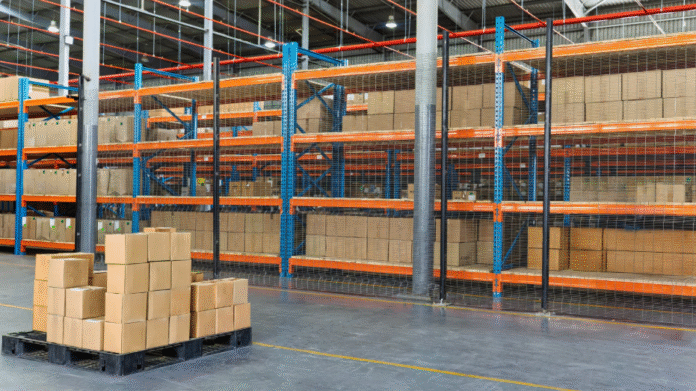
Operational efficiency is the foundation of successful warehouse management. Any delay or disruption in the workflow can lead to lost productivity, increased costs, and dissatisfied clients. Implementing an organized warehouse racking system is one of the most effective strategies to minimize downtime while improving safety, inventory management, and accessibility. These systems create structured storage solutions that streamline operations, reduce clutter, and optimize space utilization. With proper planning, installation, and maintenance, warehouse racking plays a critical role in supporting a consistent, efficient, and disruption-free environment.
Optimized Organization and Streamlined Workflow
Warehouse operations depend on fast and accurate access to goods. A well-structured racking system enhances organization by ensuring products are stored methodically by type, size, and demand frequency. This reduces the time employees spend searching for materials and minimizes aisle traffic congestion.
By categorizing inventory effectively, warehouse teams can handle orders quickly and with fewer errors. Optimized layouts enable forklifts and automated machinery to move seamlessly through the facility, significantly reducing bottlenecks that cause downtime. Furthermore, when racking systems are designed with scalability in mind, they allow warehouses to expand capacity without significant disruptions. Adjusting shelves or adding new racks can be done efficiently, maintaining workflow continuity even during peak demand periods.
Enhancing Safety and Preventing Disruptions
Safety incidents are one of the leading causes of warehouse downtime. Damaged racks, improper load distribution, or poor maintenance can result in accidents that halt operations. A properly engineered racking system ensures load stability, equal weight distribution, and accessibility, reducing the risk of collapses or injuries.
Regular inspections are equally important in maintaining operational reliability. Understanding how often warehouse racking should be inspected for safety and efficiency helps facility managers establish a proactive maintenance schedule. This ensures early detection of wear, corrosion, or structural weaknesses before they lead to costly repairs or unplanned shutdowns. Routine assessments also verify compliance with safety standards and regulations. When racks remain structurally sound and secure, employees can perform their tasks confidently, reducing hesitations and inefficiencies in daily operations.
Improving Inventory Control and Accessibility
An organized racking system enables faster, more accurate inventory management. By creating defined storage zones, workers can easily identify, pick, and restock products. This structure reduces errors during fulfillment, improves tracking accuracy, and enables smoother coordination between departments. Integrated racking systems also support advanced warehouse technologies such as barcoding, RFID tracking, and automated retrieval. These tools provide real-time visibility into inventory levels, minimizing the risk of overstocking or stockouts that disrupt workflow.
When combined with efficient material flow design, racking systems eliminate wasted motion and unnecessary handling, two of the most significant sources of downtime in warehouses. The result is a faster, more synchronized operation that supports higher throughput and greater customer satisfaction.
Supporting Long-Term Efficiency and Scalability
Beyond immediate benefits, warehouse racking systems provide long-term operational resilience. Their modular designs allow for reconfiguration as business needs evolve. Whether accommodating larger loads, new product lines, or different storage methods, these systems adapt without halting operations.
High-quality racking structures are also built to withstand years of use with minimal maintenance when correctly cared for. Investing in professional installation and ongoing inspections ensures that racks remain safe, durable, and efficient over time. This reliability translates to reduced downtime and lower overall operating costs. By optimizing spatial design, improving accessibility, and maintaining consistent performance, racking systems empower warehouses to meet modern logistical demands efficiently and sustainably.
Conclusion
A warehouse racking system is far more than a storage solution; it is a critical component in reducing operational downtime and ensuring consistent workflow efficiency. Through improved organization, safety, and scalability, these systems create a structured environment that supports productivity and minimizes disruption. When professionally maintained and strategically implemented, racking systems enable warehouses to operate smoothly, safely, and profitably in a competitive logistics landscape.