
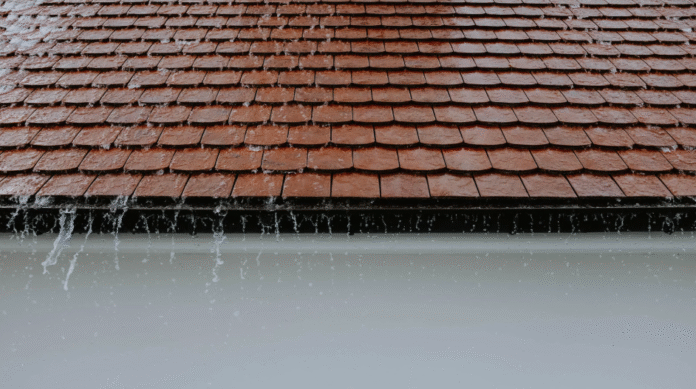
A leaking roof can lead to mold quickly: the EPA advises drying wet building materials within 24 to 48 hours to prevent mold growth, and roof water often soaks into insulation and drywall where nobody sees it for weeks. Repairing a leak promptly, and drying everything it wetted, is the most effective way to keep a small roof problem from turning into a mold remediation job.
Below you will find how roof leaks feed mold, the warning signs to look for, what to do in the first 48 hours, and how to decide between DIY cleanup and professional help.
How a roof leak turns into a mold problem
Mold spores are present in almost every home. They stay harmless until they find moisture and something to feed on, and building materials such as wood framing, drywall paper, insulation facing and ceiling tiles are ideal food. A roof leak delivers water straight into those materials, usually in dark, poorly ventilated spaces like the attic or a wall cavity.
The problem is that roof water rarely drips straight down. It runs along rafters, decking and pipes before it shows up, so a stain on a bedroom ceiling may be several feet from the actual entry point. By the time a stain is visible, the insulation above may have been wet through several storms.
Humid climates make this worse. In places like the Atlanta suburbs, summer humidity and heavy thunderstorms mean materials dry slowly, which is why local contractors offering roofing repair in Dunwoody and similar areas stress fast leak repair after storms.
Common causes of roof leaks
- Damaged or missing shingles: wind, hail and age crack, curl or lift shingles, exposing the underlayment.
- Failed flashing: the metal around chimneys, skylights, walls and valleys is one of the most frequent leak points, especially where sealant has dried out.
- Worn pipe boots: the rubber collars around plumbing vents crack with sun exposure and let water run down the pipe.
- Clogged gutters: overflowing water can back up under the roof edge and rot the fascia and decking.
- Ice dams: in colder regions, melting snow refreezes at the eaves and pushes water under shingles.
- Poor attic ventilation: not a leak in itself, but trapped warm, moist air condenses on the cold roof deck and produces the same damp conditions mold needs.
Many of these are easy to catch during a seasonal check; clearing gutters and looking over the roof are part of a good end-of-summer home prep list.
Warning signs of a leak and hidden mold
- Yellow or brown water stains on ceilings or high on walls
- Bubbling or peeling paint, or sagging drywall
- A musty, earthy smell, especially in upstairs rooms or closets
- Damp, compressed or discolored attic insulation
- Dark spots or staining on roof decking or rafters seen from the attic
- Daylight visible through the roof boards
- Granules from shingles collecting in gutters or at downspouts
A flashlight trip into the attic after heavy rain is one of the simplest ways to find a leak early. Look for wet wood, drips along nails and stained insulation.
What to do in the first 48 hours
- Contain the water. Put buckets under drips and move furniture, electronics and rugs out of the way. If a ceiling is bulging with water, keep people clear and, if safe, poke a small hole to drain it into a bucket in a controlled way.
- Watch for electrical hazards. If water is near light fixtures, outlets or wiring, switch off power to that area at the breaker panel.
- Document the damage. Take photos and video of the ceiling, attic and any visible roof damage. Insurers usually want evidence and prompt notice.
- Get a temporary cover. A roofer can tarp the damaged area to stop further water entry until the permanent repair. Avoid climbing on a wet or steep roof yourself.
- Start drying. Remove soaked insulation, run fans and a dehumidifier, and open the space to airflow. Wet drywall and carpet padding that cannot be dried quickly usually need to be removed.
- Schedule the permanent repair. Drying without fixing the roof only resets the clock until the next rain.
Why repairs should not wait
Every rain adds more water to materials that never fully dried. Beyond mold, repeated wetting rots roof decking, rusts nails, weakens ceiling drywall and ruins insulation, which then stops insulating. A leak that would have been a flashing or shingle repair can turn into decking replacement and interior restoration. Some issues are worth treating as urgent from the start; the list of common roof repairs, you shouldn’t delay covers damaged shingles, flashing problems and similar faults that tend to worsen quickly.
Delays can also affect insurance. Standard homeowners policies generally cover sudden damage, such as a storm tearing off shingles, but often exclude damage from wear and tear, neglect or long-term leaks, and many limit mold coverage. Reporting promptly and showing you acted to prevent further damage puts you in a stronger position. Read your own policy, since terms vary.
If storm damage is widespread or the roof is near the end of its life, repair may not be the right call; this guide on roof replacement after storms explains when replacement makes more sense.
What a professional leak repair involves
A good roofer starts by tracing the leak rather than patching the spot above the stain. That usually means inspecting the attic for the highest point of water staining, checking the roof surface above it, and testing suspect areas such as flashing, vents and valleys. Some contractors use moisture meters or infrared cameras to find wet decking and insulation that is not yet visible.
The repair itself might be replacing a few shingles, resealing or replacing flashing, swapping a cracked pipe boot, or cutting out and replacing rotted decking. Ask the contractor to show you photos of what they found, explain whether the damage is isolated or a sign of a roof near the end of its life, and confirm what warranty applies to the repair.
Mold and your health
According to the CDC and EPA, exposure to damp, moldy environments can cause stuffy nose, wheezing, coughing and red or itchy eyes or skin, and people with asthma, mold allergies or weakened immune systems can react more strongly. The practical advice from both agencies is the same: control moisture and clean up mold, rather than test for specific species. If anyone in the home has persistent symptoms, talk to a doctor.
DIY cleanup or professional remediation?
The EPA’s guidance is that if the moldy area is less than about 10 square feet (roughly a 3 by 3 foot patch), most homeowners can handle cleanup themselves, provided the moisture source is fixed. Wear gloves, goggles and an N95 respirator, scrub hard surfaces with detergent and water, and dry them completely. Porous materials like moldy insulation, ceiling tiles and drywall usually need to be bagged and thrown out.
Call a professional when the area is larger than that, when mold is in the HVAC system, when the water was contaminated, or when anyone in the home has health concerns. Painting or caulking over mold does not solve it; the growth continues underneath.
Preventing the next leak
- Have the roof inspected periodically and after major hail or wind storms.
- Clean gutters at least twice a year, and more often under trees.
- Trim branches that rub the roof or drop debris into valleys.
- Check flashing, pipe boots and skylight seals during inspections.
- Keep attic vents clear and make sure bathroom and kitchen fans vent outdoors, not into the attic.
- Keep indoor humidity below 60%, ideally between 30% and 50%, as the EPA recommends.
Frequently asked questions
How fast can mold grow after a roof leak?
Mold can begin to grow within 24 to 48 hours on wet building materials, which is why the EPA recommends drying them within that window.
Can I fix a roof leak myself?
You can contain water and dry the interior, but roof work is risky and leak sources are often hard to find. A roofer can locate the entry point and make a lasting repair.
Does homeowners insurance cover mold from a roof leak?
It depends on the policy. Sudden storm damage is often covered, while long-term leaks, neglect and mold are frequently excluded or capped. Check your policy and report damage promptly.
When should I hire a mold remediation company?
When mold covers more than about 10 square feet, is inside the HVAC system, followed contaminated water, or when someone in the home has health concerns.
How do I know if my attic has mold?
Look for dark staining on roof decking and rafters, damp or matted insulation and a musty smell. Check after heavy rain with a flashlight.
This article is general information, not medical or professional advice; consult a qualified roofer, remediation specialist or doctor for your situation.