
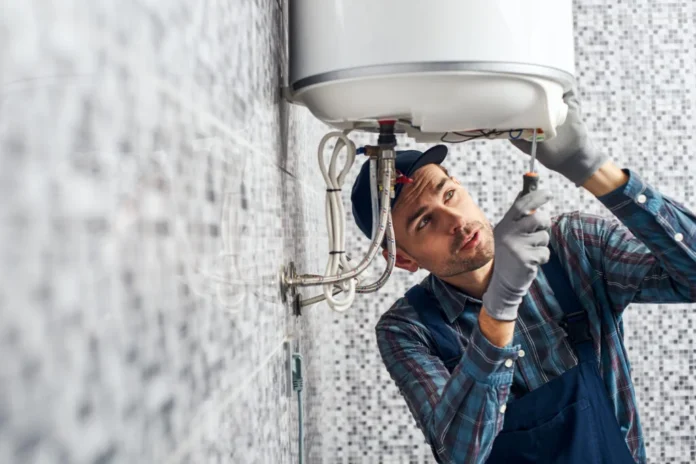
Waking up to a cold shower is never a pleasant surprise. Whether you’re getting ready for work, washing dishes, or running a load of laundry, a water heater that suddenly stops working can throw off your entire day. The good news is that not every water heater issue means you’ll need a replacement. In many cases, a few basic checks can help you identify the problem and determine whether it’s something simple or if it’s time to call a professional.
If your unit has stopped producing hot water and basic troubleshooting doesn’t solve the issue, scheduling water heater repair Cumming, GA is often the safest way to identify the cause and restore reliable hot water. Before making that call, however, there are several things you can check yourself.
Check the Power or Fuel Supply First
A water heater can’t do its job without power or fuel, so this is the best place to start.
For electric water heaters, inspect your home’s electrical panel to see whether the circuit breaker has tripped. If it has, reset it once. If the breaker trips again, don’t continue resetting it. This may indicate an electrical issue that should be handled by a qualified technician.
If you own a gas water heater, verify that the gas shut-off valve is fully open. If other gas appliances in your home aren’t working either, the problem may be related to your gas service rather than the water heater itself.
These simple checks often eliminate the most obvious causes before you begin looking for more complex problems.
Confirm the Thermostat Settings
Sometimes the solution is easier than expected.
It’s possible that someone accidentally changed the temperature setting while cleaning or performing maintenance around the unit. Most manufacturers recommend setting the thermostat to approximately 120°F. This temperature provides sufficient hot water while helping reduce energy use and minimizing the risk of scalding.
If the thermostat appears to be set correctly but the water remains cold, the issue likely involves another component inside the system.
Look for Visible Signs of Damage
A quick inspection around the water heater can reveal valuable clues.
Check for Water Leaks
Look carefully around the base of the unit. Water pooling on the floor, damp insulation, or moisture around fittings can all point to a leak.
Leaks commonly develop around:
- Pipe connections
- Drain valves
- Temperature and pressure relief valves
- Supply lines
If the leak appears to come directly from the tank itself, replacement is usually necessary because the inner tank cannot typically be repaired.
Inspect for Rust and Corrosion
Rust around fittings or valves may indicate aging components that can often be replaced. However, widespread corrosion on the tank itself may signal that the water heater is nearing the end of its useful life.
Catching corrosion early can help prevent unexpected failures.
Listen for Unusual Noises
Water heaters generally operate quietly.
If you hear rumbling, popping, cracking, or banging sounds, mineral deposits have likely accumulated inside the tank. Hard water naturally leaves behind sediment that settles at the bottom of the tank over time.
As sediment builds, the heating element or burner must work harder to heat the water, reducing efficiency and placing additional strain on the system. Regular tank flushing helps remove these deposits and improve performance.
Identify the Type of Hot Water Problem
The symptoms often provide important clues about what’s causing the issue.
No Hot Water at All
A complete loss of hot water may result from:
- A tripped breaker
- A failed heating element
- A faulty thermostat
- A pilot light that has gone out
- A malfunctioning gas burner
- Electrical or gas supply interruptions
Each of these problems affects the heating process differently, making accurate diagnosis important.
Hot Water Doesn’t Last Long
If your hot water runs out much faster than usual, the problem may be different.
Possible causes include:
- Sediment taking up space inside the tank
- A damaged heating element
- Thermostat problems
- An aging water heater
- Increased household hot water demand
If your family has grown or your daily routine has changed, your existing water heater may simply no longer have enough capacity.
Check the Pilot Light on Gas Models
Older gas water heaters rely on a standing pilot light.
If the pilot light has gone out, carefully follow the manufacturer’s instructions for relighting it. However, if it continues to go out after being relit, stop trying to restart it repeatedly. A faulty thermocouple, gas valve, or burner assembly may be preventing proper operation.
If you ever detect the smell of gas around the appliance, leave the area immediately and contact your gas provider or emergency services. Do not attempt repairs yourself.
Know When DIY Isn’t the Right Option
Many homeowners are comfortable performing basic inspections, but certain repairs should always be left to trained professionals.
Avoid attempting repairs involving:
- Gas lines
- Electrical wiring
- Heating elements
- Pressure relief valves
- Internal tank components
Water heaters operate under pressure and high temperatures. Improper repairs can create safety hazards and potentially cause additional damage.
When in doubt, it’s always safer to seek professional assistance.
Consider the Age of Your Water Heater
Even well-maintained water heaters have a limited lifespan.
Traditional storage tank water heaters typically last between 8 and 12 years, depending on water quality, maintenance, and daily usage. As units age, efficiency gradually declines, parts begin wearing out, and repairs become more common.
If your system has required multiple repairs over the past few years, replacing it may provide better long-term value than continuing to fix an aging appliance.
A plumbing professional can inspect the system and help determine whether repair or replacement makes the most sense.
Prevent Future Breakdowns
Routine maintenance can significantly reduce the chances of unexpected water heater problems.
Flush the Tank Annually
Draining the tank helps remove sediment before it affects heating performance.
Check the Anode Rod
The anode rod helps protect the inside of the tank from corrosion. Replacing it when necessary can extend the life of the water heater.
Test the Pressure Relief Valve
This important safety device helps prevent excessive pressure from building inside the tank. It should be tested periodically as part of regular maintenance.
Schedule Routine Inspections
Professional maintenance allows small issues to be identified before they become major repairs. Regular inspections also help ensure the system operates safely and efficiently.
Signs It’s Time to Call a Professional
Some warning signs shouldn’t be ignored.
Contact a licensed plumber if you notice:
- Water leaking from the tank
- No hot water after checking power or gas
- Rust-colored hot water
- Frequent breaker trips
- A pilot light that won’t stay lit
- Loud noises that continue after maintenance
- Water temperatures that fluctuate unexpectedly
Addressing these issues early can often prevent more extensive damage and restore dependable hot water sooner.
Conclusion
A water heater that suddenly stops working can be frustrating, but not every failure requires a full replacement. Starting with simple checks like verifying the power supply, inspecting for leaks, and confirming thermostat settings can help identify the source of the problem. At the same time, unusual noises, corrosion, repeated malfunctions, or leaks from the tank itself are clear signs that professional attention is needed.
Regular maintenance remains one of the best ways to keep your water heater operating efficiently and reduce the risk of unexpected breakdowns. By recognizing warning signs early and addressing problems promptly, you can extend the life of your system and keep your home’s hot water running reliably.
Want to know about How To Carpet Stairs? Tools And Materials Needed, Maintenance and Cleaning Tips, And What to Avoid and More Information Check out our Home Improvement category.
