

Introduction
Learning how to carpet stairs is a valuable skill for any homeowner aiming to enhance the style, comfort, and safety of their living space. Carpeted stairs not only add visual warmth and reduce noise but also provide increased traction, making them safer for children, pets, and the elderly. Whether you’re tackling the project yourself or considering professional installation, understanding the tools and materials needed, step-by-step installation techniques, routine maintenance practices, and common pitfalls to avoid is essential for achieving long-lasting results.
This comprehensive guide walks you through everything from measuring and preparing your stairs to choosing the right carpet, ensuring a smooth, durable finish that transforms your staircase into a functional and lovely area of your house. Stair carpeting can significantly improve your home’s appearance and feel while also increasing safety by improving traction. This guide will cover the tools and materials needed, maintenance and cleaning tips, things to avoid, and a step-by-step process on how to carpet stairs effectively.
| Categories | Details |
| Introduction | Stair Carpeting |
| How to Carpet Stairs | Installation Steps |
| Tools and Materials Needed | Essential Supplies |
| Maintenance and Cleaning Tips | Carpet Care |
| What to Avoid | Common Mistakes |
| Additional Tips | Extra Advice |
How to Carpet Stairs?
1. Measure the Stairs
Start by measuring the width and length of each step. Remember to take into consideration the step’s riser, or vertical portion. This will assist you in estimating the amount of padding and carpet you will require.
2. Prepare the Area
Before you start, remove any old carpet or debris from the stairs. Make sure the surface is dry and clean. If there are any irregularities, fix them to create a smooth surface for the new carpet.
3. Install Tack Strips
Place the tack strips along the edge of each step, leaving a gap of about 1/4 inch from the riser. Hammer the strips down securely, ensuring that the nails are pointing upwards to grip the carpet.
4. Cut the Carpet
With the measurements taken, cut the carpet to size. It’s advisable to cut slightly larger than needed; you can trim excess later.
5. Lay Down Padding
Cut the padding to fit each step and riser if you’re using it. Secure it with double-sided tape or adhesive to prevent it from moving.
6. Position the Carpet
Lay the carpet over the first step, making sure it’s centered. The excess should extend onto the riser. To ensure a tight fit, push the carpet into the tack strip using the knee kicker.
7. Trim Excess Carpet
Once the carpet is firmly in place, trim any excess material along the edges, ensuring it fits snugly against the riser.
8. Repeat for Each Step
Continue this process for each step, making adjustments as necessary to ensure a uniform look.
9. Final Touches
After all steps are covered, use a carpet roller to smooth out any bumps or air pockets. Check for any loose areas and secure them with a staple gun if necessary.
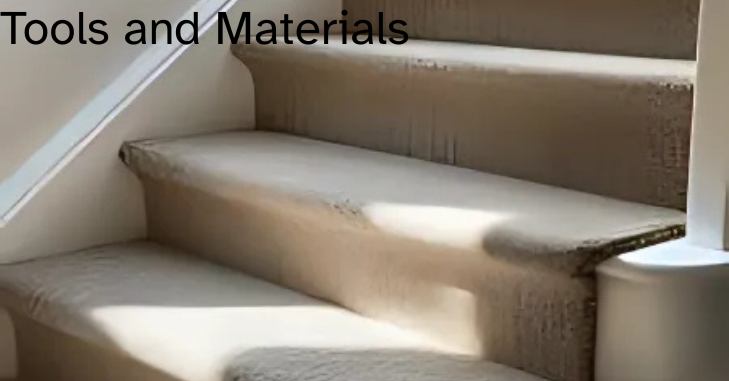
Tools and Materials Needed
Tools
- Carpet Cutter or Utility Knife: Essential for cutting the carpet to size.
- Staple Gun: Used to secure the carpet in place.
- Tack Strip: A strip with sharp nails that holds the carpet in place.
- Measuring Tape: For accurate measurements of your stairs.
- Carpet Stretching Tool: Helps to stretch the carpet tightly across the stairs.
- Knee Kicker: A tool that helps attach the carpet to the tack strip.
- Carpet Roller: Ensures that the carpet adheres evenly and smoothly.
- Level: To check if your stairs are even, which can affect the installation.
- Safety Gear: Gloves and goggles for protection during installation.
Materials
- Carpet: Choose a durable carpet that complements your home’s decor.
- Padding: Carpet padding adds comfort and extends the carpet’s life.
- Tack Strips: Typically made of wood or metal, these strips hold the carpet in place.
- Adhesive: If you’re using glue-down carpet, a suitable adhesive is necessary.
- Double-Sided Carpet Tape: Useful for securing edges and seams.
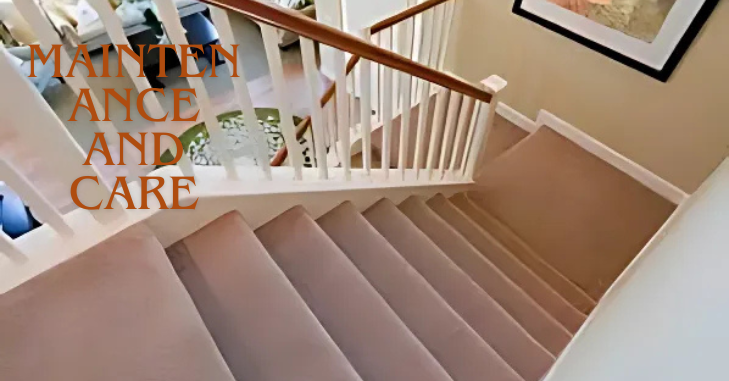
Maintenance and Cleaning Tips
- Regular Vacuuming: Vacuum your carpeted stairs at least once a week to remove dust and dirt. To get to the edges and corners, use a vacuum with a hose attachment.
- 2. Spot Cleaning: Use a carpet cleaner made especially for your kind of carpet to remove stains. Instead of rubbing the stain, which could spread it, use a fresh cloth to blot it.
- Deep Cleaning: Consider deep cleaning your carpet every 6-12 months. For this, you can hire a professional service or rent a carpet cleaner.
- Preventive Measures: Place mats at the top and bottom of the stairs to catch debris and reduce wear on the carpet.
- Rotate Furniture: Occasionally change the position of furniture to prevent uneven wear on the carpet.
What to Avoid?
- Using Too Much Adhesive: Overusing adhesive can lead to a sticky mess and make future removal difficult.
- Poor Quality Carpet: Invest in good-quality carpet that is designed for high traffic areas, especially on stairs.
- Neglecting Safety: Always wear safety gear while installing carpet to prevent injuries from sharp tools.
- Ignoring Carpet Padding: Skipping padding can lead to premature wear and tear of the carpet.
- Overstretching the Carpet: While it’s important to have a tight fit, overstretching can cause the carpet to wear out more quickly.
Additional Tips
- Choose the Right Carpet: Opt for a carpet style that is appropriate for stairs, such as low-pile or looped carpets, which are more durable.
- Consult Professionals: If you’re unsure about tackling the project yourself, consider hiring a professional installer to ensure the best results.
- Consider Color and Pattern: Darker colors may hide stains better, while lighter colors can brighten up a space.
By taking the time to properly carpet your stairs, you not only enhance the beauty of your home but also create a safer environment for family and guests.
Conclusion
Carpeting stairs is a rewarding project that enhances the safety and aesthetics of your home. By gathering the right tools and materials and following the proper steps, you can achieve professional-looking results. Regular maintenance and being mindful of common pitfalls will ensure your carpeted stairs remain beautiful and functional for years to come.
Want to know about “Step-by-Step Complete Guide on How to Refinish a Bathtub for a Durable?” Check out our “Home Improvement” category.
FAQs
Wrap the carpet pad down the riser and around the front edge of the steps. Staple the pad to the riser after smoothing and stretching it to fit snugly against the tread and riser. Once all of the padding is in place, you will need to create a template and cut the carpet to fit.
For the staircase, cut your carpet as wide as necessary. Give it time. At the bottom, square it off. After that, carefully staple the face, being careful not to catch any naps. Stretch the carpet as far as you can and glue the stair tread. After that, tack it well to the tread’s back. Cut off any extra length.
If you have a level surface to work with, installing a carpet may seem easy! However, because of their 3-D design, staircases need a little more preparation. Carpeting stairs presents a special challenge because of the complex angles, curves, and possible wear and tear, in contrast to flat surfaces.
There are two ways to install staircase carpet runners: Hollywood and Waterfall.
For stairs, nylon carpets are frequently the best option. They come in a variety of styles, are stain-resistant, and are as resilient as nails. Nylon is the material to choose if you want something that will look good for years even if it gets beat up. Another good option is wool carpets.